Now Available
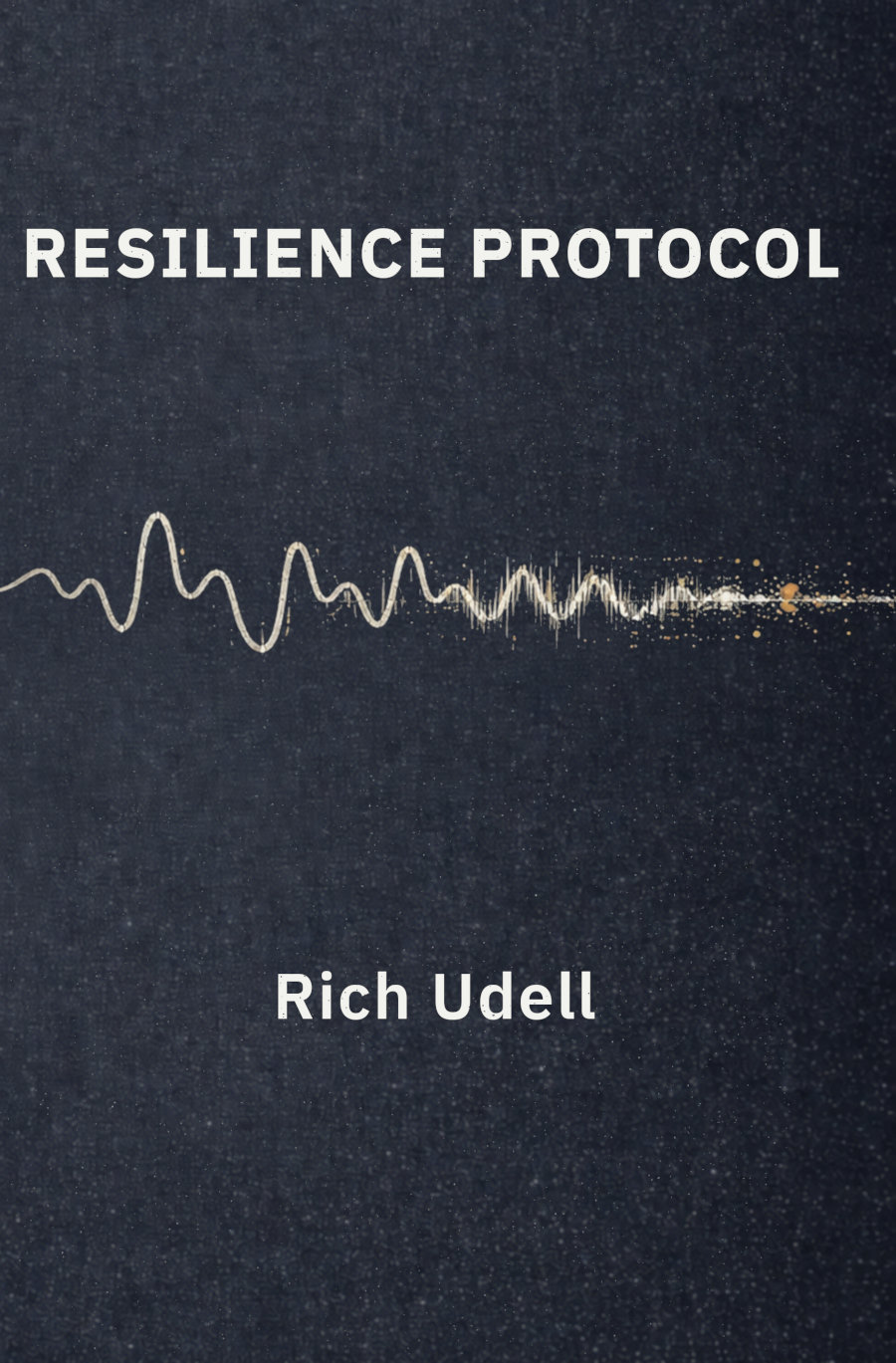
Resilience Protocol
What happens when systems fail and people are still inside them
Get it on Amazon
What happens when systems fail and people are still inside them
Get it on AmazonThe first thing they take from you is the time.
You do not notice it at first. You assume there is a clock somewhere. On a wall. On a wrist. On a nurse's badge. But there is not.
You ask for the time and someone says, "It does not matter right now."
I remember the sound before anything else. The heavy, echoing click of the door locking behind me. Metal. Definite. Final.
Resilience Protocol is a memoir documenting psychological collapse, institutional confinement, and the slow process of learning to continue. It does not correct events with later insight, and it does not attempt to make meaning where none was available at the time.
This is not a recovery story in the conventional sense. It does not move steadily forward, and it does not resolve cleanly.
"Resilience Protocol explores vulnerability and the development of coping mechanisms. This book resonated with me personally, prompting reflection on past experiences and the importance of empathy in approaching mental health issues."
— Amazon Review, January 2026
Efficiency can masquerade as instability. Carrying everything is its own kind of overload.
Chapter 1
Intimacy doesn't want precision. Intimacy wants presence.
Chapter 10
Being discharged did not feel like being healed. It felt like being returned.
Chapter 13
Stability is not silence. It is recognition without collapse.
Chapter 49
Sometimes recovery isn't measured by what you feel, but by what no longer happens.
Chapter 50
Giveaway ends February 23, 2026.
See the giveaway details at Goodreads.
Music functions as an internal diagnostic throughout the book—songs surfacing unbidden to signal emotional states before conscious awareness.

Rich Udell is a technologist, systems thinker, and author writing about resilience, recovery, and personal transformation.
With more than two decades of experience in technology and large-scale systems, Rich brings a practical perspective to themes of accountability, burnout, recovery, and human cost. His work resonates with readers interested in memoirs about mental health, resilience, leadership under stress, and navigating failure in modern life.
He is the co-founder of Furry Friend Advocates, a hyperlocal outreach effort supporting unhoused people and their companion animals in Southern California (currently on pause).
Rich lives in California and continues to write nonfiction exploring recovery, responsibility, and the systems that quietly shape our decisions and outcomes.
Discussion questions, key themes, and facilitator notes for book clubs and therapy groups.
View Reading Guide →Learn about the outreach work supporting unhoused individuals and their pets.
Visit Facebook Group →For media inquiries, speaking requests, or reader feedback: